China wordpress theme design



» Specialty drugs » Theophylline:In stock Theophylline powder with 99% safe shipping to you
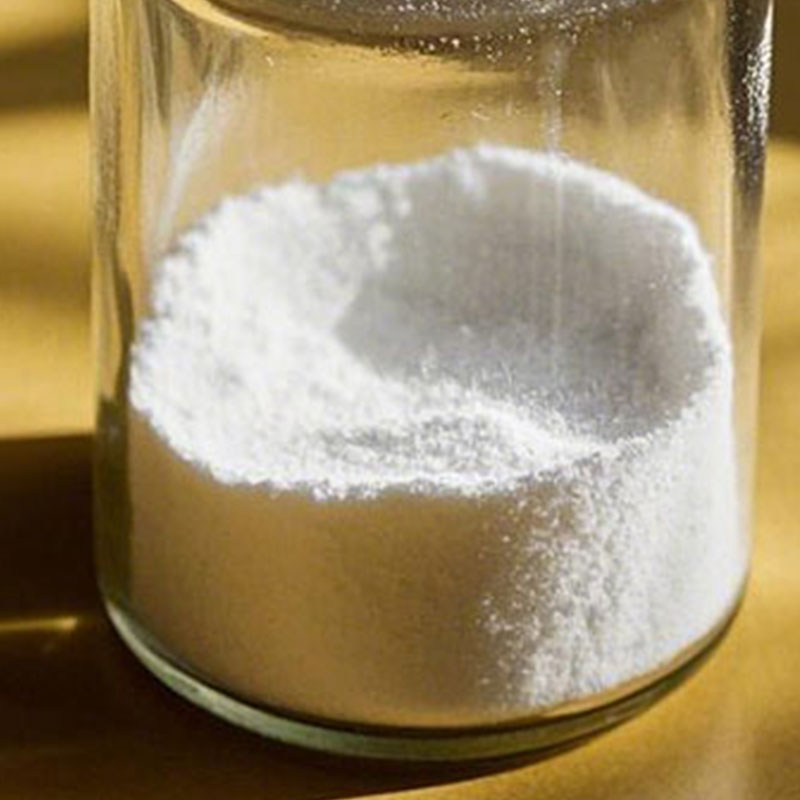
Theophylline:In stock Theophylline powder with 99% safe shipping to you
Factory direct supply Top quality Theophylline powder safe shipping
enquiry- Specifications
Chemical Name: Theophylline
CAS Number: 58-55-9
Molecular Formula: C7H8N4O2
Molecular Weight: 180.17 g/mol
Appearance: White crystalline powder
Solubility: Soluble in water, ethanol, and chloroform
Storage Conditions: Store in a cool, dry place, protect from light and moisture.
What is Theophylline?
Theophylline is a natural alkaloid found primarily in tea leaves, coffee, and cocoa. It is a key respiratory drug widely used to treat bronchial asthma and chronic obstructive pulmonary disease (COPD). Theophylline belongs to the methylxanthine class of compounds and works by dilating the bronchial tubes, stimulating respiration, and improving heart function.
Actions and Applications of Theophylline
Bronchodilation: Theophylline relaxes bronchial smooth muscles, expanding the airways and improving airflow, which helps relieve breathing difficulties caused by asthma, COPD, and other conditions.
Relieving Asthma Symptoms: Theophylline can reduce the frequency and severity of asthma attacks, improve lung function, and reduce airway hyperreactivity, thus providing better respiratory support for patients.
Improving Heart Function: Theophylline has a mild heart-stimulating effect, enhancing heart contractility and increasing cardiac output, which helps improve heart function. It can be used to treat certain heart conditions such as heart failure and low blood pressure.
Diuretic Effect: Theophylline also has diuretic properties, helping to reduce fluid retention by increasing urine output. This makes it useful in treating conditions like edema and hypertension.
Relieving Nocturnal Dyspnea: Theophylline is particularly effective in alleviating nighttime breathing difficulties. Many asthma or COPD patients experience breathing challenges at night, and Theophylline helps keep the airways open, improving sleep quality.
Central Nervous System Stimulant: Like caffeine, Theophylline stimulates the central nervous system, enhancing alertness and concentration. However, its effects are milder than caffeine, making it useful as a stimulant and an adjunctive treatment for fatigue.
Safety and Side Effects
Theophylline is generally safe when used for respiratory conditions, but careful attention to dosage is required. Common side effects include insomnia, palpitations, nausea, vomiting, and headaches. Overuse can lead to toxic reactions such as seizures and arrhythmias. To ensure safety, dosage should be adjusted based on blood drug concentration, and prolonged high-dose use should be avoided. Special caution is needed for the elderly and patients with liver dysfunction.
Enquiry Form
Maybe you like also




Copy©2013 | Company Name. | Sitemap
Service
Work Time: 8:30-17:30