Дизайн темы WordPress для Китая



- Позвоните нам по телефону
- Напишите нам
felix.movo88@gmail.com - Ватсап,Telegram,Signal
+852 5484 0394
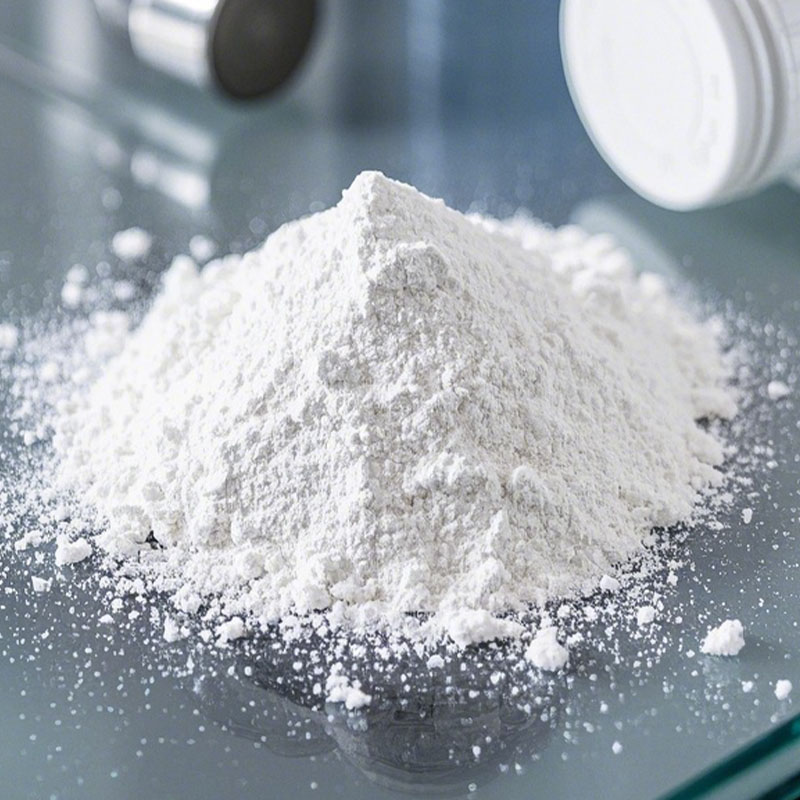
Tetraphenyl Pyrophosphate CAS 990-91-0 additive and a plasticizer bulk price
Safe shipping Tetraphenyl Pyrophosphate powder with good price Cas: 990-91-0
Best Place to buy Tetraphenyl Pyrophosphate powder with 99% purity Cas: 990-91-0
In stock Tetraphenyl Pyrophosphate powder with 99% safe shipping Cas: 990-91-0
enquiry- Specifications
Basic Information
Chemical Name: Tetraphenyl Pyrophosphate
CAS Number: 19501-58-7
Molecular Formula: C7H10N2O·HCl
Molecular Weight: 174.63 g/mol
Appearance: White to light yellow crystalline powder
Solubility: Soluble in organic solvents like acetone, benzene, and chloroform; insoluble in water
Storage Conditions: Store in a cool, dry place, away from moisture and direct sunlight.
What is Tetraphenyl Pyrophosphate?
Tetraphenyl Pyrophosphate (TPP) is an organophosphorus compound, consisting of a pyrophosphate (P2O7) group bonded to four phenyl groups. It is primarily used as a chemical additive and a plasticizer in various industrial applications.
Functions and Applications of Tetraphenyl Pyrophosphate
Flame Retardant
TPP is used as a flame retardant in polymers and plastics, particularly in electrical insulation materials, to enhance their resistance to heat and flames.
Plasticizer
As a plasticizer, Tetraphenyl Pyrophosphate improves the flexibility and processability of plastics, particularly in PVC (polyvinyl chloride) products.
Chemical Synthesis
TPP serves as a reagent in organic and inorganic synthesis, especially in reactions involving the generation of pyrophosphate or phosphate esters. It is used in various chemical reactions, including the preparation of other organophosphorus compounds.
Antistatic Agent
It is also used in the manufacture of antistatic agents for polymers, especially in situations where static charge build-up must be minimized.
Safety and Side Effects
Tetraphenyl Pyrophosphate is considered to have low toxicity, but like other organophosphates, it should be handled with care. Prolonged exposure or ingestion can cause irritation to the skin, eyes, or respiratory system. Proper protective equipment (gloves, goggles, and a mask) should be worn when handling the substance.
Summary
Tetraphenyl Pyrophosphate (TPP) is an important organophosphorus compound with widespread applications as a flame retardant, plasticizer, and chemical reagent. It is commonly used in the polymer and electrical industries to enhance material properties. Safe handling practices are recommended to avoid potential health risks.
Enquiry Form
Maybe you like also

Копия©2013 | Название компании. | Карта сайта
Служба
Рабочее время: 8:30-17:30