China wordpress theme design



» Specialty drugs » Capecitabine :CAS 154361-50-9

Capecitabine :CAS 154361-50-9
enquiry- Specifications
Chemical Name: Capecitabine
CAS Number: 154361-50-9
Molecular Formula: C15H22FN3O6
Molecular Weight: 359.36 g/mol
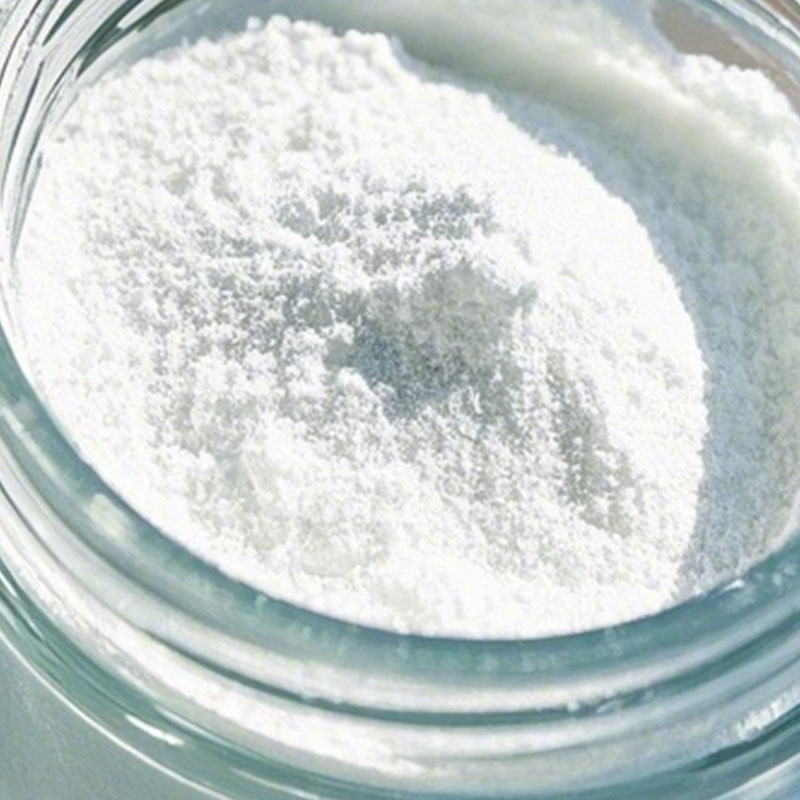
Appearance: White or off-white crystalline powder
Solubility: Slightly soluble in water, soluble in methanol and dichloromethane
Storage Conditions: Store in a cool, dry place, protected from moisture, and tightly sealed
What is Capecitabine?
Capecitabine is an oral chemotherapy drug, a prodrug of fluoropyrimidines, commonly used to treat cancers such as breast cancer and colorectal cancer. It is a drug that is absorbed through the gastrointestinal tract and converted into an active drug in the body, with its active metabolite being 5-fluorouracil (5-FU), which inhibits the growth and reproduction of cancer cells.
Capecitabine's Actions and Applications
Cancer Treatment
Capecitabine is primarily used to treat malignant tumors such as colorectal cancer and breast cancer, especially in patients who cannot receive intravenous chemotherapy. It is converted into 5-FU in the body, and 5-FU interferes with DNA synthesis, inhibiting cancer cell proliferation and growth, thus exerting its anticancer effects.
Prodrug of 5-FU
Capecitabine is an oral prodrug of 5-FU, which is metabolized in the body into 5-FU. It specifically exerts its effects in tumor tissues during this conversion, reducing toxicity to normal tissues and providing higher treatment selectivity.
Used in Combination with Other Chemotherapy Drugs
Capecitabine is often used in combination with other chemotherapy drugs to enhance treatment efficacy. In breast cancer treatment, it is commonly combined with drugs such as paclitaxel and carboplatin to improve therapeutic outcomes, particularly for metastatic or recurrent cancer patients.
Resistance and Tolerance
Compared to traditional intravenous chemotherapy drugs, Capecitabine has better tolerance. Patients can take the drug orally, making self-management easier, and its side effects are relatively mild, reducing the treatment burden on patients.
Adjuvant Treatment
In addition to being used as a primary treatment drug, Capecitabine can also be used for postoperative adjuvant therapy to reduce the risk of tumor recurrence, especially in early-stage breast cancer and colorectal cancer patients, lowering the recurrence rate and improving survival rates.
Safety and Side Effects
Capecitabine’s side effects include gastrointestinal reactions such as nausea, vomiting, loss of appetite, and diarrhea. It may also cause hand-foot syndrome (peeling, redness, and swelling of the hands and feet). Long-term use may lead to hematologic toxicity (such as leukopenia) and liver dysfunction. Patients should regularly monitor liver function and complete blood counts to avoid serious side effects. If severe side effects occur, the patient should contact their doctor immediately to adjust the dose or stop the medication.
Summary
Capecitabine is an effective oral anticancer drug widely used to treat malignant tumors such as breast cancer and colorectal cancer. As a prodrug of 5-FU, Capecitabine is converted into its active form in the body, offering significant anticancer effects and better tolerance. Despite its relatively mild side effects, it is important to monitor the drug's use carefully and adjust the dosage based on individual conditions.
Enquiry Form
Maybe you like also



Copy©2013 | Company Name. | Sitemap
Service
Work Time: 8:30-17:30