China wordpress theme design



» Specialty drugs » Aminophylline:Factory direct supply Top quality Aminophylline powder safe shipping Cas: 317-34-0

Aminophylline:Factory direct supply Top quality Aminophylline powder safe shipping Cas: 317-34-0
Bulk price for Aminophylline powder with good quality
enquiry- Specifications
Chemical Name: Aminophylline
CAS Number: 317-34-0
Molecular Formula: C10H15N5O4
Molecular Weight: 299.27 g/mol
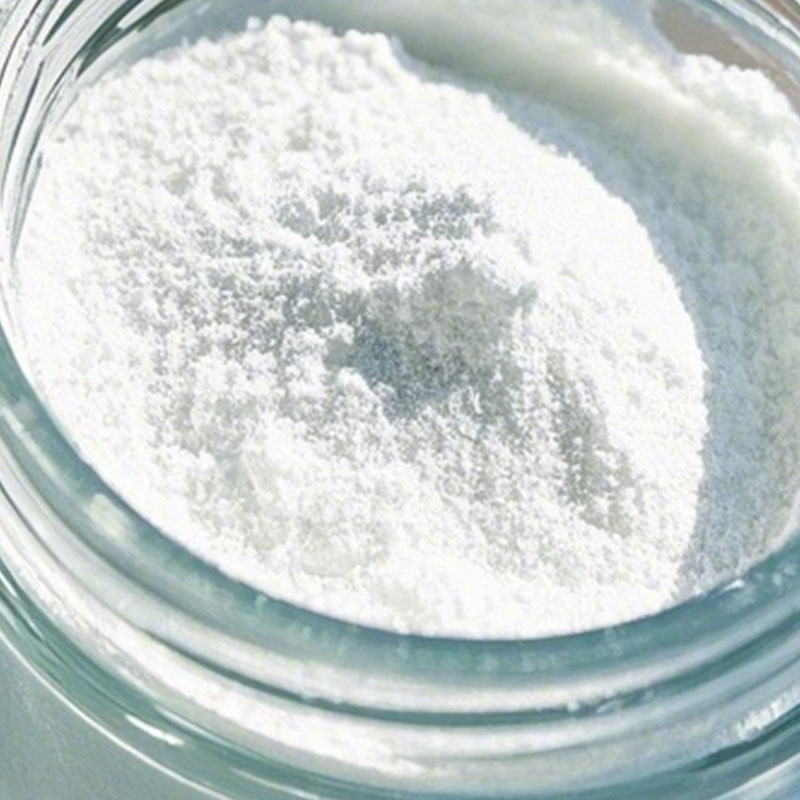
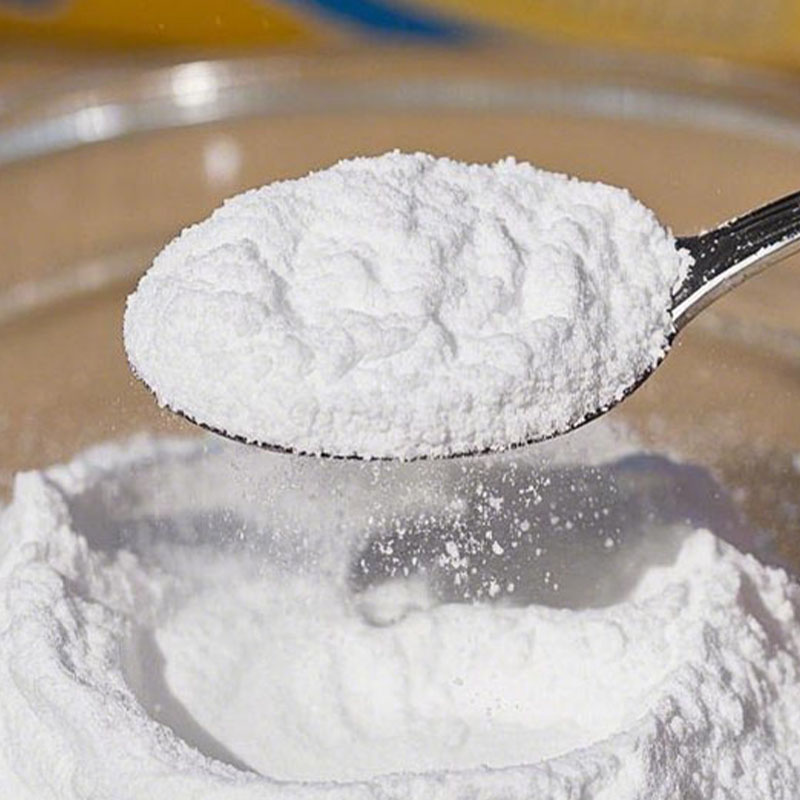
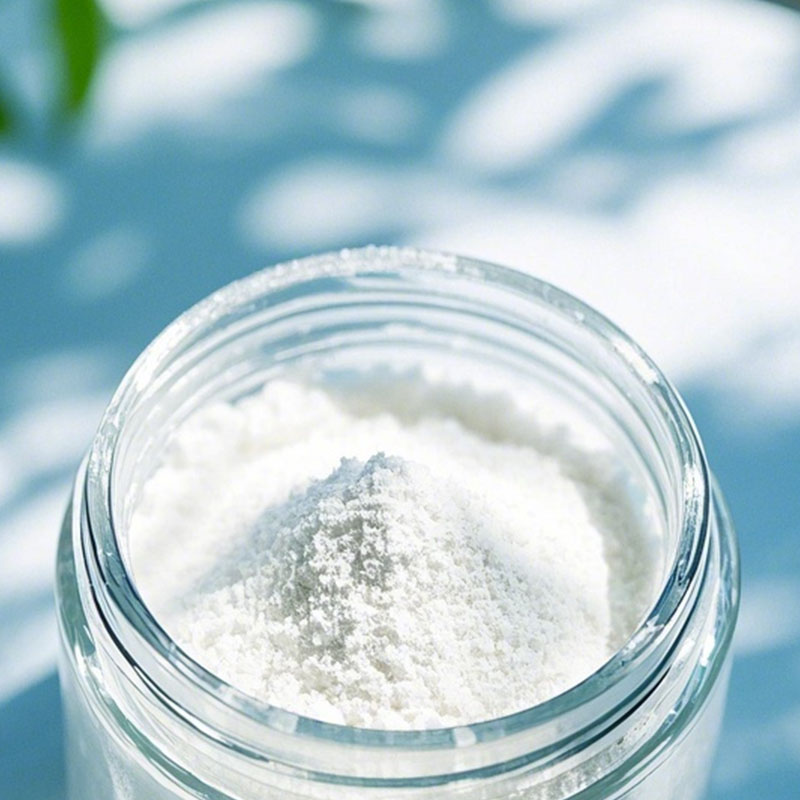
Appearance: White to off-white crystalline powder
Solubility: Easily soluble in water, alcohols, ethers, and other solvents
Storage Conditions: Store in a cool, dry place, away from direct sunlight.
What is Aminophylline?
Aminophylline is a compound formed by the combination of theophylline and ethylenediamine, belonging to the methylxanthine class of drugs. It is commonly used in the treatment of respiratory diseases, especially bronchial asthma and chronic obstructive pulmonary disease (COPD), and has bronchodilatory effects. Aminophylline works by inhibiting phosphodiesterase (PDE) and increasing intracellular cAMP levels, relaxing smooth muscles and relieving airway constriction.
Actions and Applications of Aminophylline
Bronchodilator: Aminophylline is primarily used as a bronchodilator to treat pulmonary diseases such as asthma and COPD. It works by relaxing airway smooth muscles and expanding the airways to improve breathing.
Relief of Dyspnea: Due to its bronchodilatory effects, Aminophylline is often used to relieve symptoms of breathing difficulty caused by airway narrowing, particularly in patients with acute or chronic respiratory diseases.
Improvement of Pulmonary Function: Aminophylline is also used to improve lung function by increasing airflow through the airways and reducing airway constriction, helping alleviate symptoms like cough and shortness of breath.
Mild Anti-inflammatory Effects: In addition to bronchodilation, Aminophylline has some anti-inflammatory effects, helping reduce airway inflammation. It is effective for treating diseases like bronchial asthma that involve inflammation.
Adjunctive Treatment for Heart Failure: In some cases, Aminophylline is used as an adjunctive treatment for heart failure patients, helping improve cardiac pumping function and relieving breathing difficulties caused by heart issues.
Safety and Side Effects
Aminophylline may cause some side effects, especially when used in excess. Common side effects include headache, insomnia, nausea, vomiting, palpitations, and tremors. High doses or prolonged use may lead to toxic symptoms such as severe gastrointestinal discomfort, hypotension, and rapid heartbeat. The dosage should be adjusted under the guidance of a doctor to avoid adverse reactions.
Summary
Aminophylline is an effective bronchodilator widely used to treat respiratory diseases such as asthma and COPD. By expanding the airways, relieving dyspnea, and improving lung function, Aminophylline significantly enhances respiratory function, especially for acute symptom relief. However, due to its potential side effects, the dosage should be strictly controlled and used under the supervision of a healthcare provider.
Enquiry Form
Maybe you like also

Copy©2013 | Company Name. | Sitemap
Service
Work Time: 8:30-17:30